Newsletter Subscribe
Enter your email address below and subscribe to our newsletter

 ByJohn A
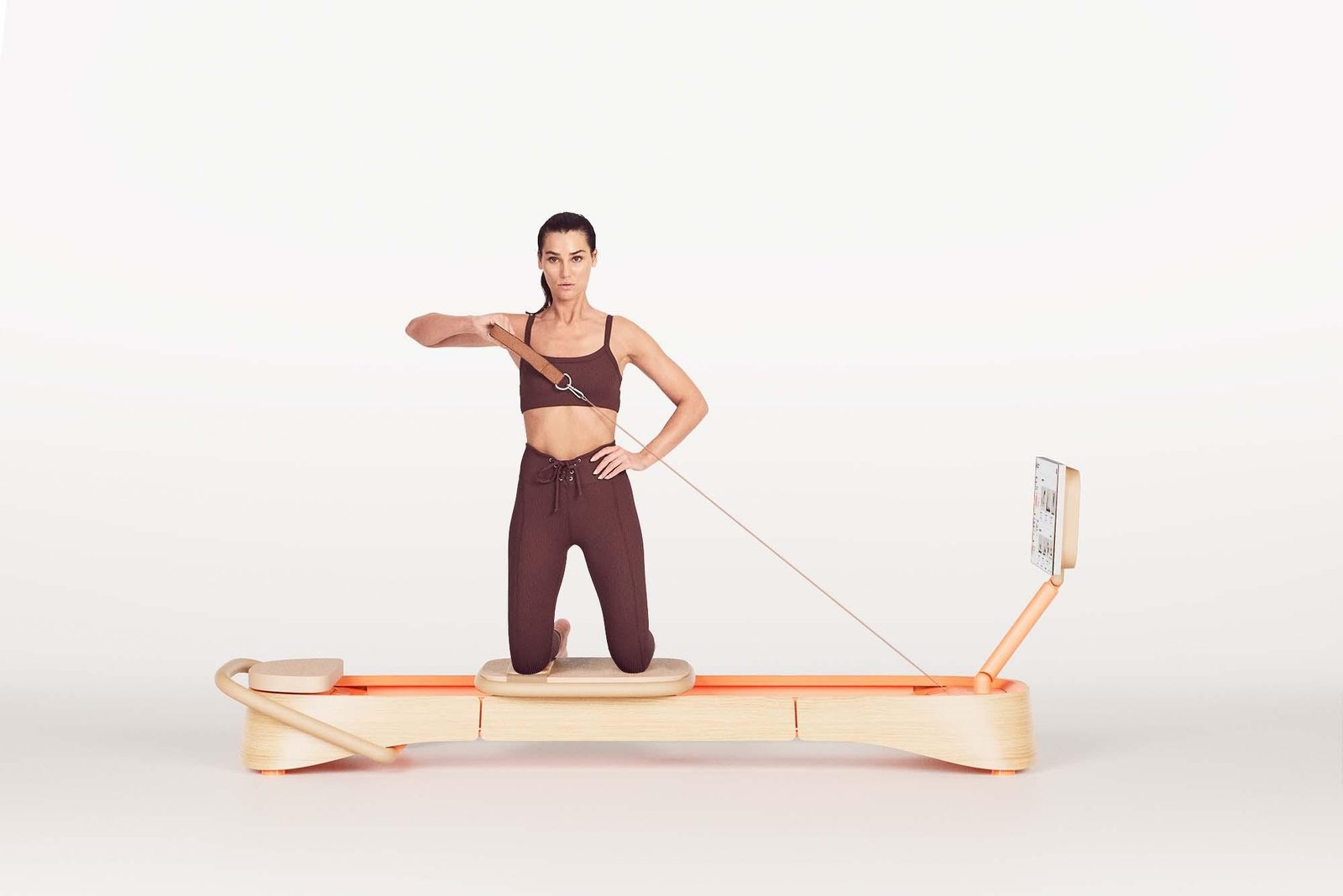
Reformer machine Pilates offers a different way to approach exercise at home. Instead of relying only on body weight and a floor mat, you work with a moving carriage, resistance springs, straps, and support points that can change the way familiar movements feel.
The equipment allows you to adjust resistance and body position for different exercises. This makes it possible to create sessions that focus on the core, legs, hips, arms, shoulders, and back without needing several different machines.
A good home routine does not have to be complicated. A handful of well chosen exercises can provide plenty of variety when performed with control and proper positioning. As your experience develops, you can change resistance, exercise order, repetitions, and movement patterns to keep your sessions useful.
Reformer machine Pilates uses a carriage that moves along a frame. Springs provide resistance and can also help control the carriage as it returns to its starting position.
The footbar provides a place for the feet or hands during certain movements, while straps and handles allow exercises that involve the arms and legs.
The machine can make simple movements surprisingly challenging. A slow carriage movement requires control from several parts of the body at once.
This is one reason reformer workouts can feel different from traditional mat Pilates.
The machine does not do the work for you. It changes the resistance and support available during the exercise, while you still need to control your body throughout each movement.
Footwork is often a practical starting point for a reformer session.
Lie comfortably on the carriage and place your feet on the footbar according to the exercise being performed. Press the carriage away with your legs and then control its return.
The movement may look simple, but maintaining a steady rhythm requires concentration.
You can experiment with different foot positions as you become more familiar with the exercise. Each position can change how the movement feels through the legs and hips.
Keep the movement controlled rather than allowing the springs to pull the carriage back quickly.
Footwork can be useful as an early exercise because it allows you to become comfortable with the machine before moving into more complicated positions.
A bridge can provide a useful way to work the hips and back of the legs.
The reformer can add resistance and movement to the exercise, creating an additional challenge compared with a basic floor bridge.
Focus on controlled movement as you lift and lower your hips.
Avoid trying to create a large range of motion simply for the sake of it. The quality of the movement is more useful than forcing your body into a position that does not feel comfortable.
As you become more experienced, different variations can be introduced under appropriate instruction.
The reformer provides many opportunities for core focused exercises.
One simple approach is to use movements where the arms or legs move while the torso remains stable.
The moving carriage can make this more challenging because you need to control both your body position and the equipment.
Slow movements can be particularly demanding.
Try not to rush through repetitions. Keep your breathing steady and pay attention to how your torso responds as the carriage moves.
If your lower back begins to compensate for a movement, reduce the range or resistance and reassess your technique.
Leg circles can be performed using the straps attached to the reformer.
The straps provide support while allowing your legs to move through a controlled range.
Start with small circles rather than immediately attempting a large movement.
Focus on keeping the pelvis stable while the legs move.
This exercise can challenge the muscles around the hips and abdomen while also encouraging controlled movement.
The resistance should be comfortable enough that you can maintain proper positioning.
The straps can also be used for upper body exercises.
Depending on the position, you can work the arms, shoulders, chest, and upper back.
For example, you might perform controlled arm movements while lying on the carriage. The resistance can be adjusted to suit the exercise.
Small movements can be surprisingly demanding when performed slowly.
Keep the shoulders relaxed rather than lifting them toward your ears.
If you notice tension building in your neck, reduce the resistance and review your positioning.
Rowing exercises can provide an effective way to involve the upper back and arms.
The movement generally involves pulling the straps while maintaining a stable torso.
The temptation can be to pull as hard as possible, but controlled resistance is more appropriate for Pilates.
Focus on the movement of your shoulder blades and maintain a comfortable posture.
Your arms should not be doing all the work. The torso and upper back need to remain involved throughout the movement.
Kneeling exercises can introduce another level of balance and control.
The carriage may move while you maintain your position, requiring the core and hips to work together.
Start with simple movements before attempting more demanding variations.
Make sure the resistance is appropriate and that you understand how to position yourself securely on the machine.
Because balance is involved, beginners may benefit from professional instruction before attempting more advanced kneeling sequences.
The elephant is a familiar reformer exercise that involves standing on the carriage and using the footbar for support.
The movement requires you to maintain a stable position while controlling the carriage with your legs and hips.
It can challenge the back of the legs, hips, shoulders, and core.
Because the exercise involves standing on moving equipment, technique matters.
Do not rush into this exercise if you are unfamiliar with the reformer. Learn the correct setup and movement pattern before attempting it independently.
The reformer can be used for different lunge variations.
The moving carriage can add instability and resistance to a familiar lower body movement.
A lunge can involve the thighs, glutes, hips, and muscles responsible for maintaining balance.
Start with a comfortable range of motion.
Keep the front leg stable and control the carriage rather than allowing it to move suddenly.
If you have balance concerns, work with a qualified instructor before attempting more challenging variations.
Side positioned exercises can target muscles around the hips and outer legs.
The reformer can provide resistance through the straps or carriage depending on the movement.
These exercises often involve relatively small movements.
Do not assume that a larger range produces a better workout. Controlled movement can make a small exercise quite demanding.
Keep your torso stable and avoid rotating excessively as the leg moves.
Chest expansion exercises can help develop upper body control.
They typically involve pulling the straps while maintaining a stable torso.
Focus on keeping your shoulders down and your spine comfortable.
The resistance should allow you to complete the movement without jerking or using momentum.
This type of exercise can be useful within a full body routine because it adds an upper body movement to sessions that might otherwise focus heavily on the legs.
Some reformer routines include movements inspired by swimming.
These exercises can involve the arms, legs, and core at the same time.
They may require greater coordination than simpler movements, so they are better introduced once you are comfortable with basic reformer exercises.
Start slowly and focus on maintaining control.
If coordinating several body movements at once feels difficult, return to simpler exercises and build up gradually.
A reformer can also support stretching exercises.
The straps can help position the legs, while the carriage can provide controlled movement.
Stretching should feel comfortable rather than painful.
Avoid forcing a joint beyond its natural range.
You can use gentle reformer stretches at the end of a workout or during a lighter mobility focused session.
You do not need to perform dozens of exercises during every session.
A simple routine might include:
This provides a balanced session without making the workout unnecessarily complicated.
As your experience grows, you can add variations and change the order of your exercises.
Resistance should match the exercise and your ability.
Using a heavy setting may make a movement feel difficult, but difficulty alone does not determine whether the exercise is being performed correctly.
You should still be able to control the carriage throughout the movement.
If the springs pull the carriage back too quickly, consider reducing the resistance or adjusting your technique.
Beginners may need time to understand how different spring settings feel.
Do not assume that the same resistance setting will work for every exercise.
Breathing is an important part of Pilates practice.
Try to avoid holding your breath during demanding movements.
Steady breathing can help you maintain concentration and coordinate movement.
Different exercises may use different breathing patterns, so instruction from a qualified professional can help you learn the appropriate technique.
The goal is not to force your breathing into a rigid pattern. It should support your movement and help you remain focused.
Your ideal training schedule depends on your experience, workout intensity, and overall activity level.
Some people enjoy several shorter sessions each week, while others prefer fewer longer workouts.
A beginner may want to start with a manageable schedule and increase gradually.
Recovery is also part of training. If your muscles feel unusually tired or sore, give your body time to recover before performing another demanding session.
You can use lighter sessions for mobility and controlled movement while reserving more challenging workouts for other days.
Having a reformer at home removes the need to travel to a studio, but you still need a routine that fits your life.
Choose realistic workout times.
Keep the machine accessible and your workout area organised.
You might find it useful to plan your exercises before starting rather than deciding what to do after you get on the machine.
A simple schedule can make your sessions feel more purposeful.
Several mistakes can reduce the quality of a reformer workout.
Moving too quickly is one of the most common.
Allowing the carriage to move without control can also reduce the challenge of the exercise.
Using too much resistance may encourage poor positioning.
Another common problem is trying to perform advanced exercises before learning the fundamentals.
Focus on control first. Complexity can come later.
A qualified Pilates instructor can be particularly useful when you are new to reformer machine Pilates.
An instructor can show you how to adjust the equipment and help you understand proper positioning.
Professional guidance can also be useful if you are returning to exercise after an injury or have specific physical limitations.
Home workouts can be convenient, but convenience should not replace appropriate instruction when you need it.
Regular care can help keep your machine working properly.
Clean the carriage and other frequently touched surfaces according to the manufacturer’s recommendations.
Check straps, springs, rails, and adjustment points regularly.
If you notice unusual sounds, damaged components, or changes in carriage movement, stop using the machine until the issue has been addressed.
Maintenance is especially important when the reformer is used frequently.
Reformer machine Pilates uses specialised equipment with a moving carriage, resistance springs, straps, and support points. These features allow a wide range of controlled resistance exercises.
Yes. Beginners can start with basic exercises and gradually build their skills. Professional instruction can be helpful when learning how to use the equipment.
Depending on the exercises, reformer Pilates can involve the core, legs, glutes, hips, arms, shoulders, chest, and back.
Workout length varies according to experience and goals. A focused shorter session can be useful, while experienced users may prefer longer workouts.
Some people can include light Pilates movements frequently, but demanding workouts should be balanced with recovery. Your schedule should reflect your fitness level and how your body responds.
Use a resistance level that allows you to control the movement and maintain proper positioning. Different exercises may require different settings.
Yes. Many reformer exercises require the torso to remain stable while the arms or legs move, creating a challenge for the core muscles.
Reformer exercises can involve controlled ranges of motion and stretching. Flexibility improvements depend on consistent practice and individual factors.
Experienced users may be comfortable training independently. Beginners can benefit from professional instruction before practising more advanced movements at home.
Stop the exercise and reassess your positioning and resistance. Persistent or unusual pain should be discussed with an appropriate healthcare professional.
No. A reformer can provide many exercises on its own. Accessories can be added later if you want additional variety.
You can gradually introduce new exercises, adjust resistance appropriately, increase control, or explore more advanced movements after mastering the basics.
Reformer machine Pilates can provide a varied home workout without requiring complicated routines. The equipment allows you to work through controlled resistance exercises while changing positions, resistance levels, and movement patterns.
Start with exercises you can perform confidently and build your routine gradually. As your control improves, you can introduce new movements and adjust the difficulty to suit your changing abilities. A consistent practice built around good technique can make the reformer a practical part of a long term home fitness routine.